The idea
This event followed the apple cider donut gathering, with a clearer sense of what was possible and how people might respond.
The intention was to prepare further in advance and see what would happen if more room was made for participation. Christmas cookies offered a natural structure for that. They allowed for variety, incremental preparation, and a shared sense of abundance that could be built over time rather than all at once.
How it took shape
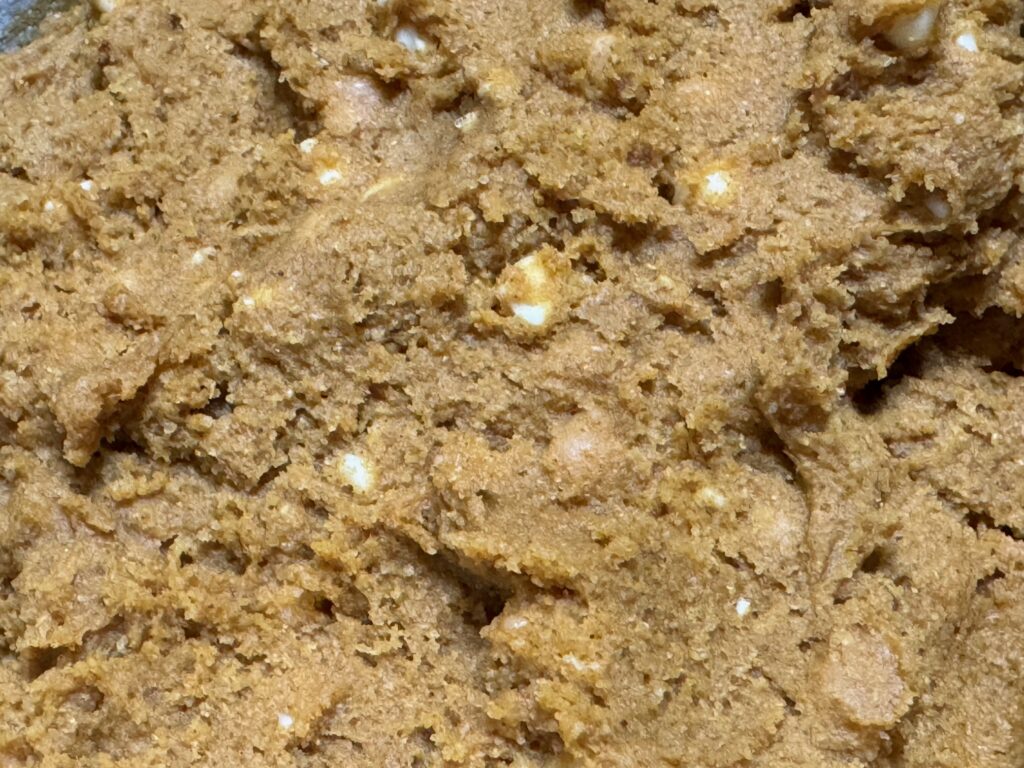
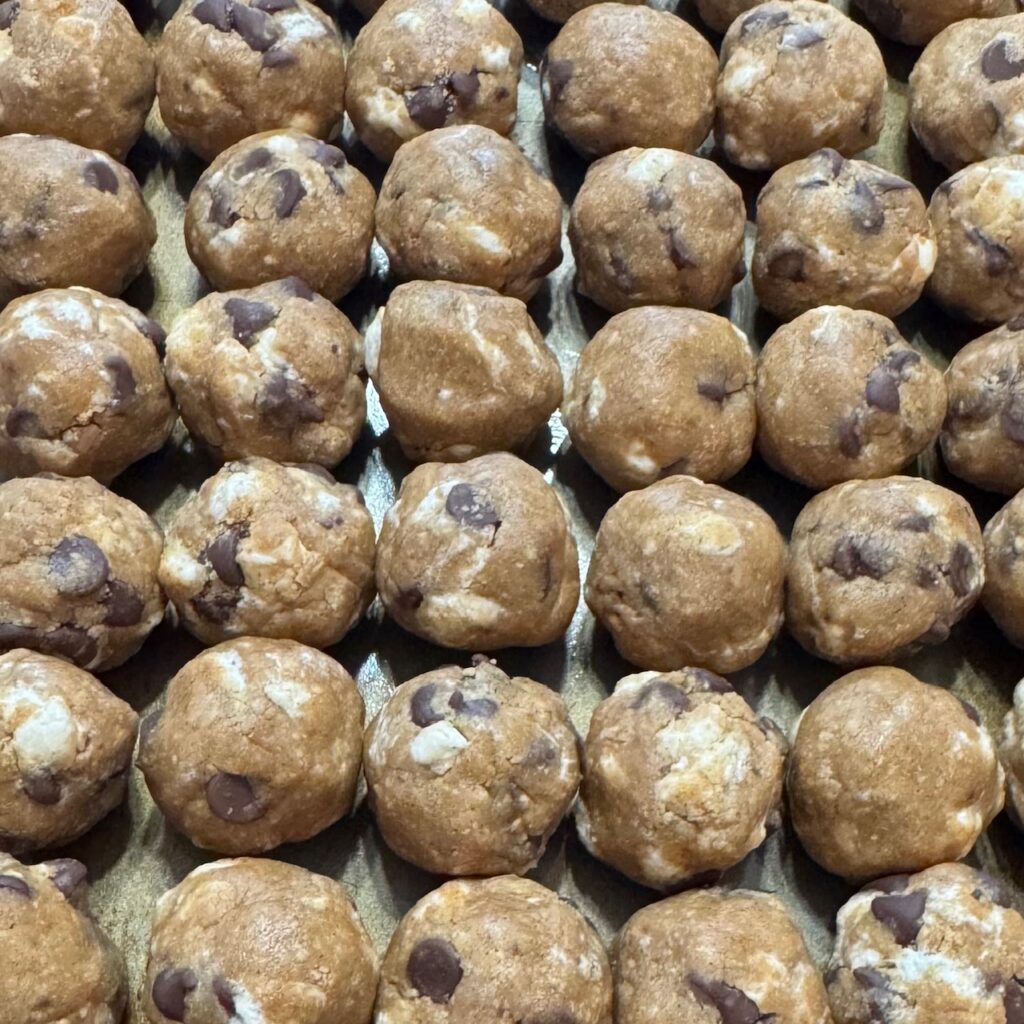
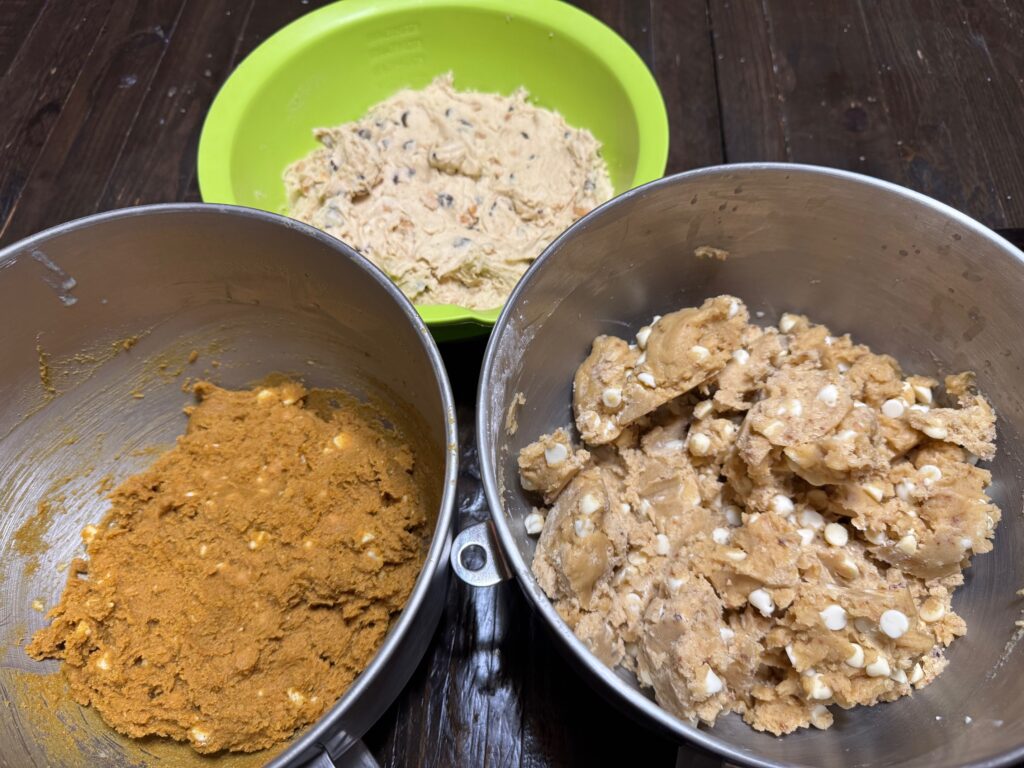
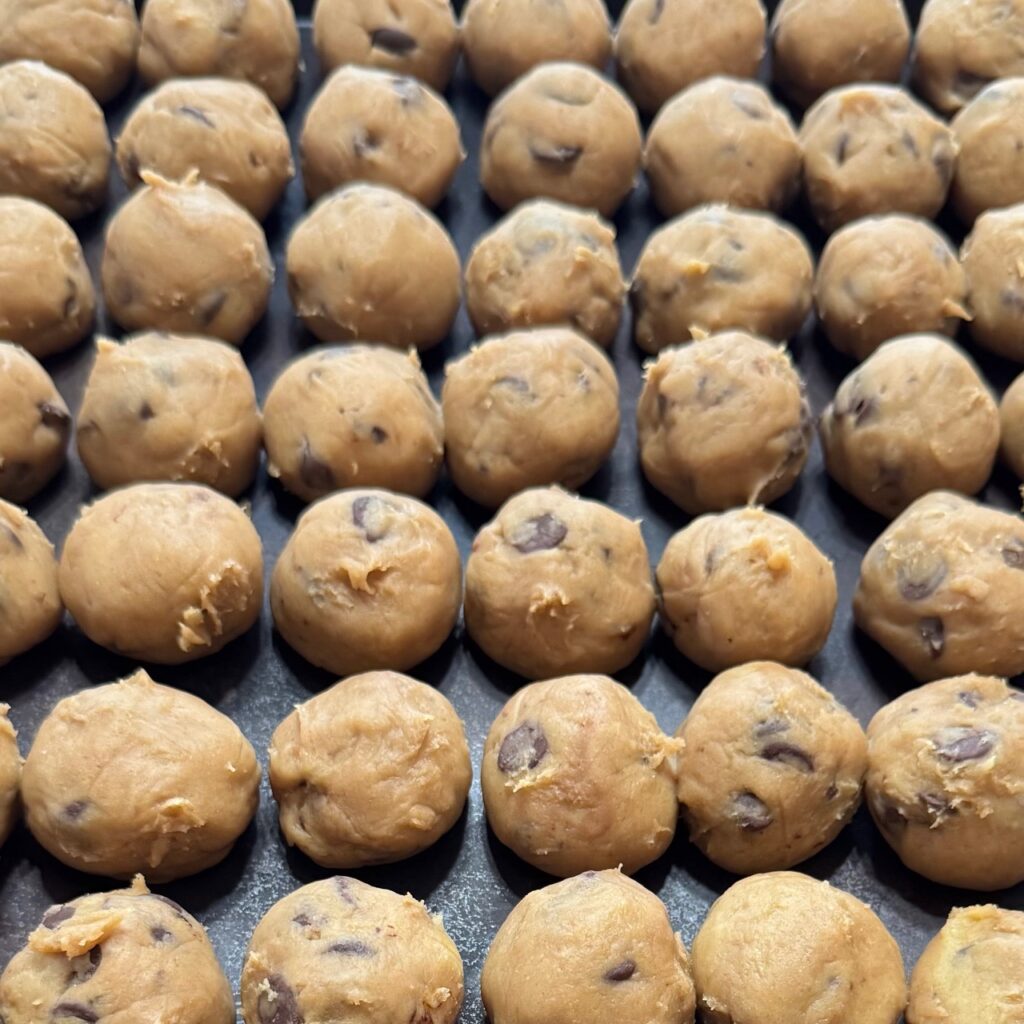
In the weeks leading up to the event, doughs were mixed, portioned, and frozen. Preparation happened gradually, without pressure, and allowed the baking days themselves to stay focused and steady.
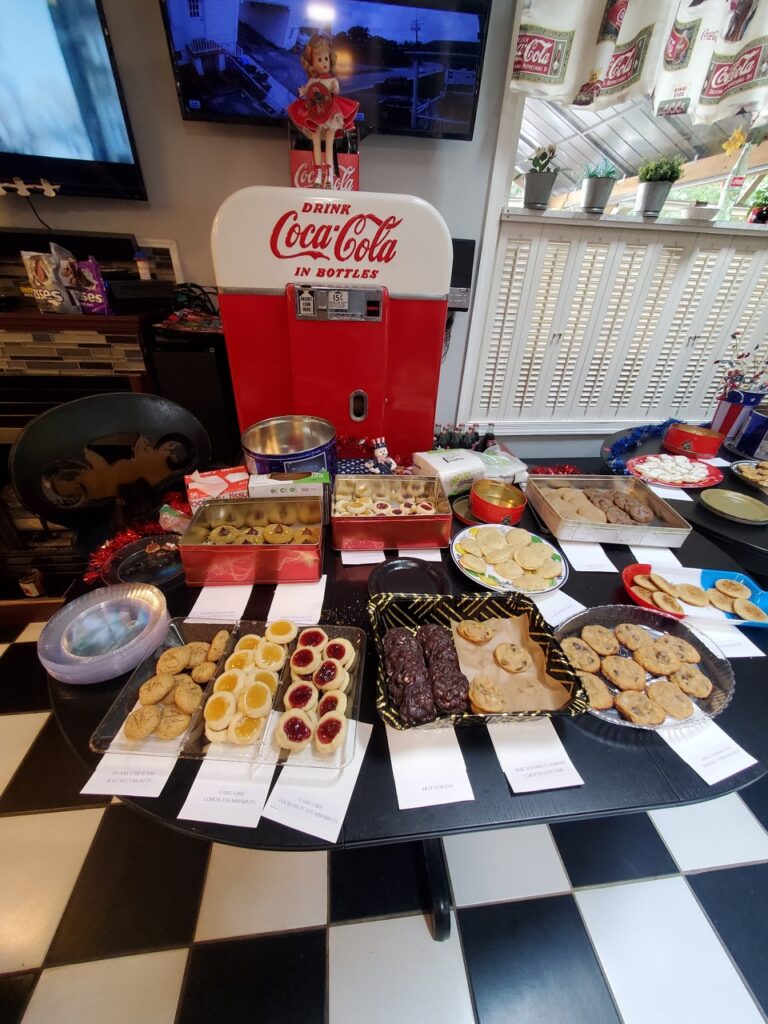
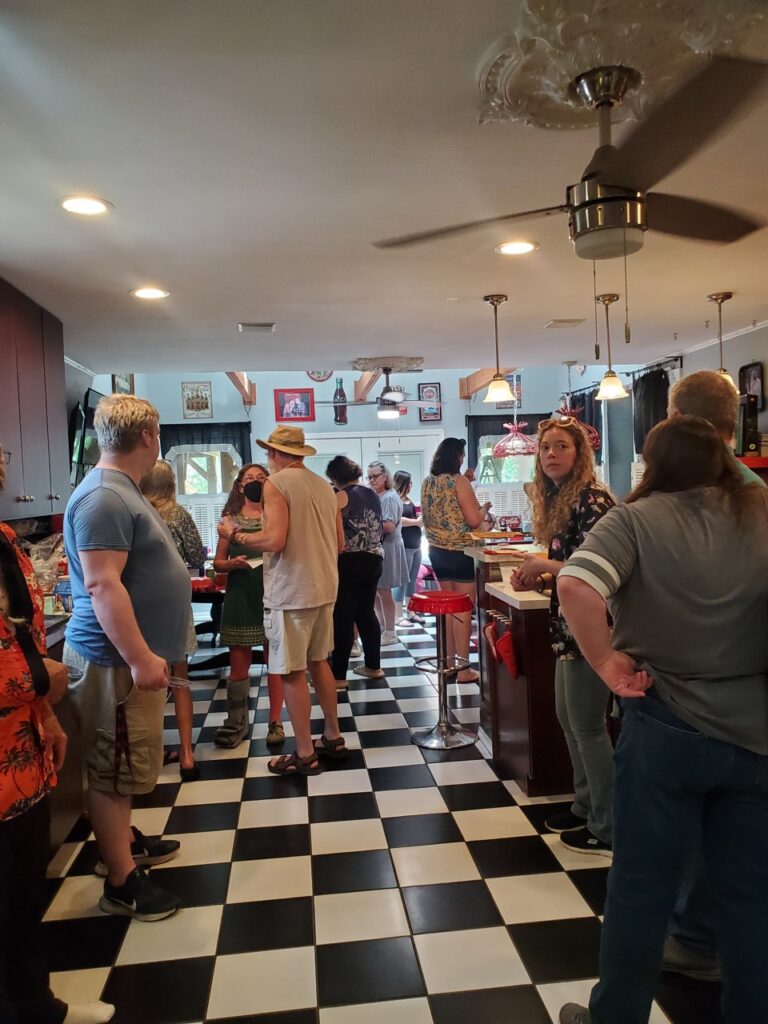
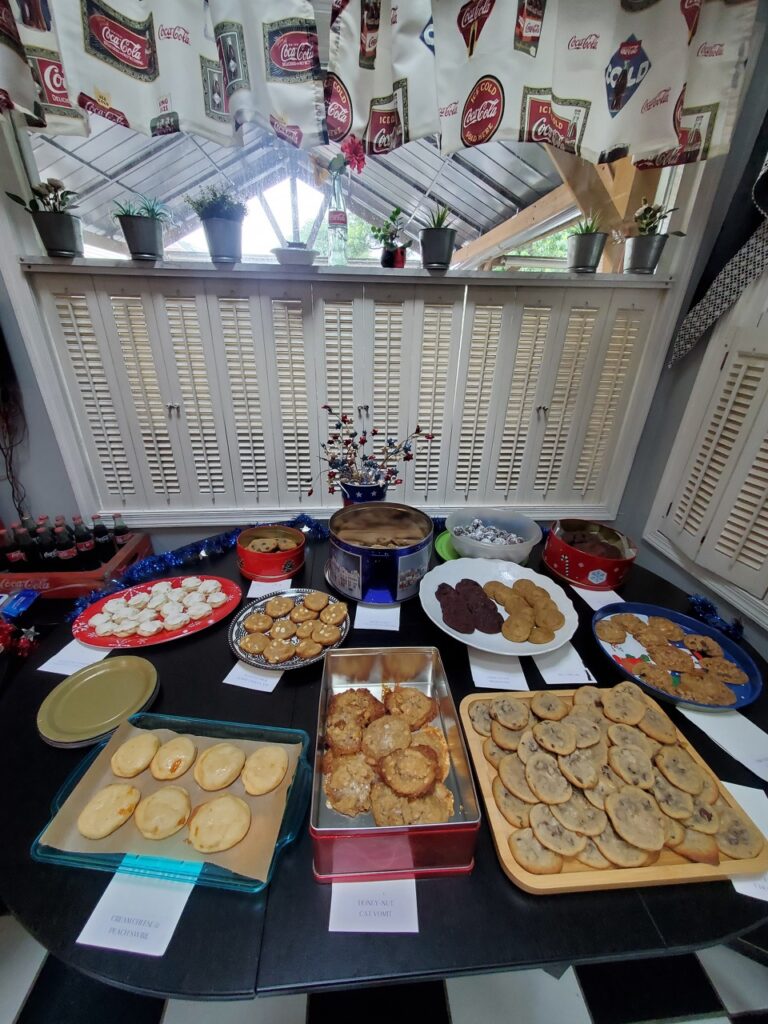
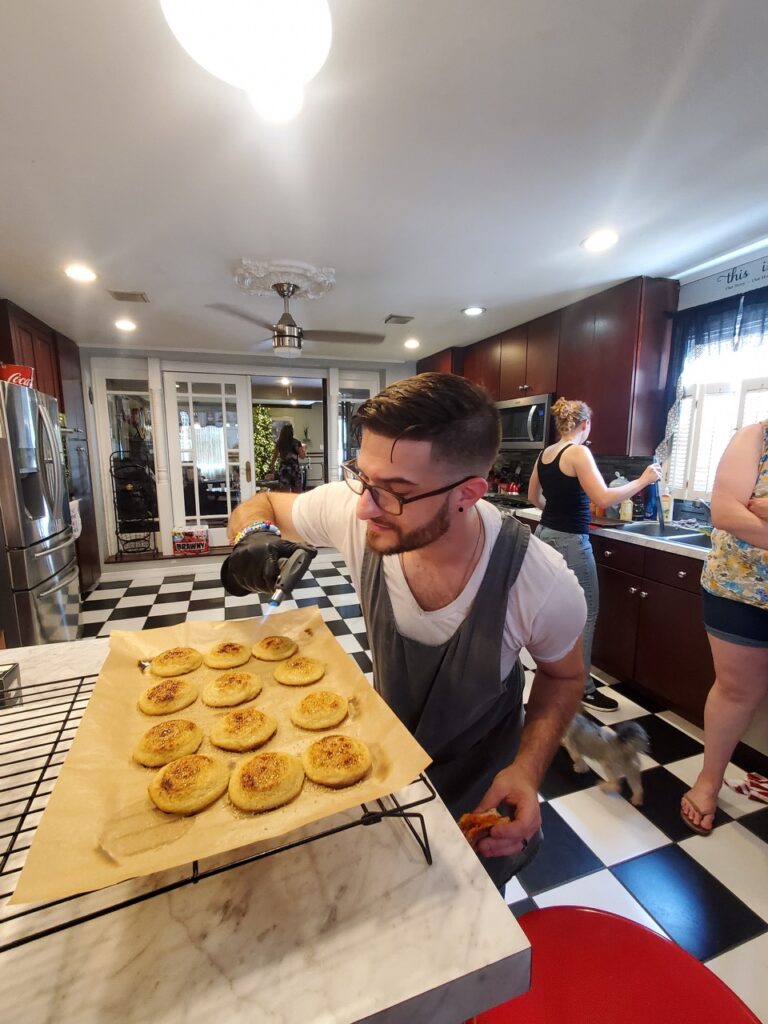
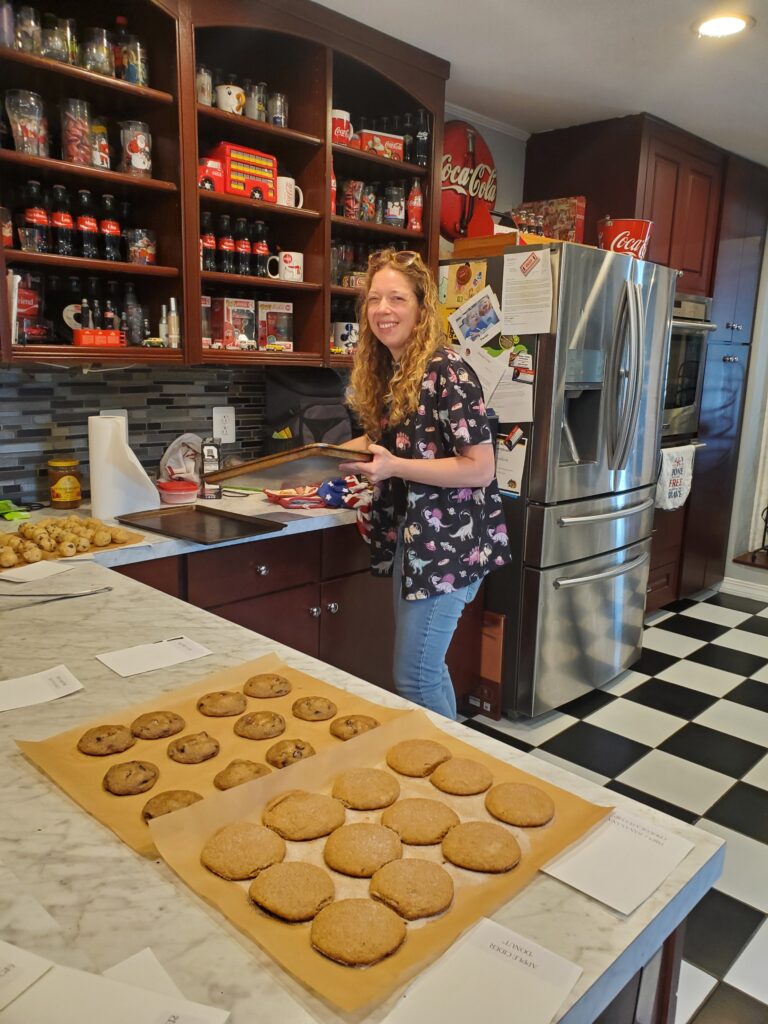
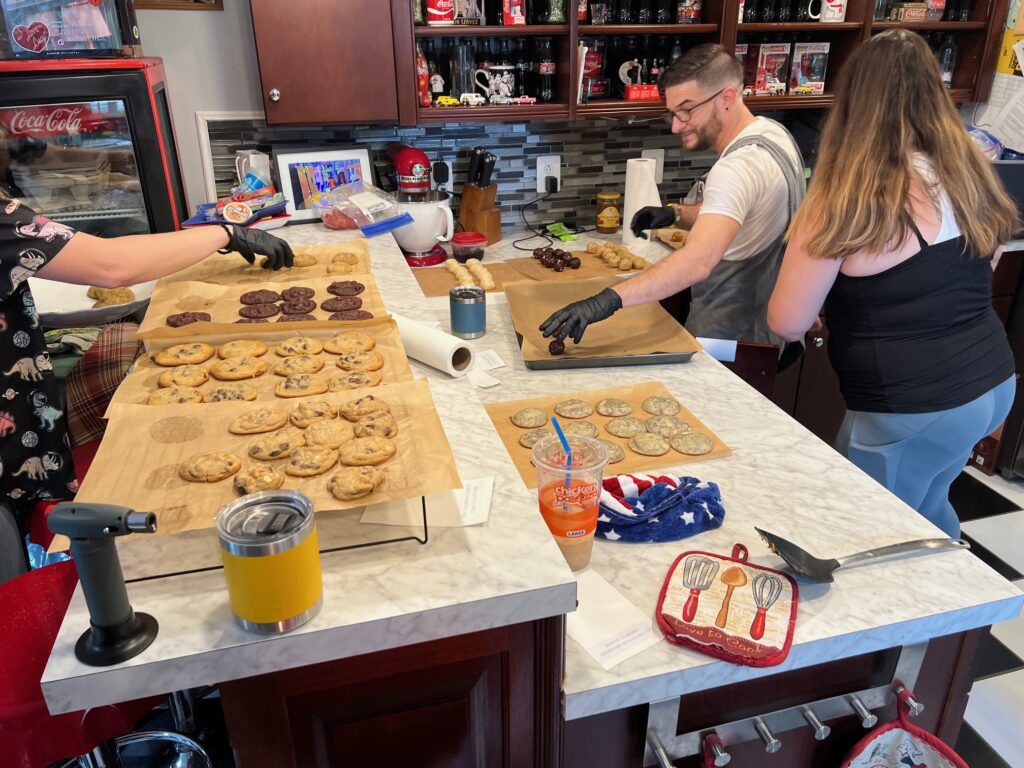
By the time the doors opened, more than three dozen different kinds of homemade Christmas cookie recipes were prepared and ready to be baked or finished. The range created energy on its own. People moved through the kitchen pointing things out, comparing favorites, and taking time to decide what to try.
More people came through than during the donut gathering. The pace stayed manageable, but the interest was noticeably broader. Familiar faces returned, and new ones appeared, suggesting that the invitation to gather was starting to travel.
The experience
What stood out most was the feeling of ease created by preparation. Because so much work had already been done, the day felt spacious. Trays moved in and out without urgency. Choices felt generous rather than scarce.
The variety invited curiosity. People lingered over the table, revisited it, and talked about what surprised them. The engagement around flavor combinations or naming conventions (cat-vomit cookies??) led to a lot of additional connection. Unlike the first event, this felt more like an experience than a simple no-cost transaction.
Why it mattered
This gathering showed how planning ahead can expand participation without increasing strain. By spreading the work over time, the event held more people while remaining calm and welcoming.
It also marked a small but meaningful shift. Interest grew. The gathering widened. The sense of community felt less incidental and more cumulative.